Two-way radio for construction and production: noise, concrete and dust
At the construction site, three things interfere with communication: noise, dust and concrete with reinforcement. Each is treated separately, and none is treated by increasing the power of the plant.
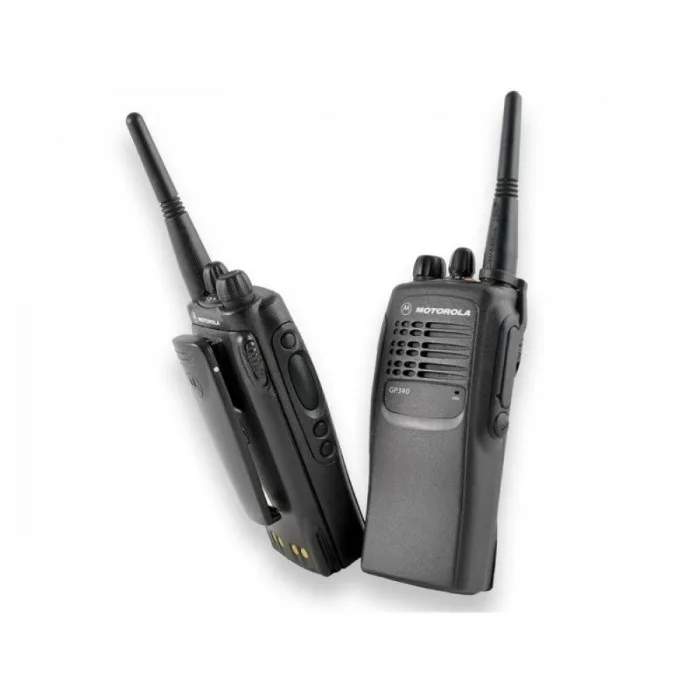
Noise: it's about accessory
The speaker of the two-way radio in the shop is useless. Works remote speaker-microphone with a loud emitter or headset with a microphone at the mouth. For especially noisy areas, take a configuration with the suppression of background noise - they cut out a smooth hum of the machine, leaving speech.
Dust and moisture
Look at the protection class of the case and accessories: most often the water does not go to the station, but to the headset connector. A waterproof remote microphone with a sealed connector serves on the site many times longer than usual.
Concrete and floors
Monolithic overlap with reinforcement - screen. From the second floor to the minus, the first connection may not pass at any power. Operating options: vehicle-mounted station in the home as a reference point, base antenna on the mast and repeater, if the object is multi-storey or stretched over the territory.
The external antenna does more than replace the station: the rise of the radiation point changes the picture radically, and the lightning discharger in the tract protects the equipment from tips in the open area.
Vehicle-mounted station as a reference station
The station in the shop or household, powered from the network through a converter, works more powerful than handheld and has a normal antenna. This is a cheap way to reach the far edge of the site without a separate infrastructure.
Range: UHF or VHF
Within and between buildings, UHF usually works better: shorter wavelength, better bypasses openings. In an open area with direct visibility, VHF wins. If the object is both inside and outside, it is chosen according to the majority of works, and not at random.
What's up?
The number of floors, the presence of underground levels, the length of the site, the number of brigades and whether communication with equipment is necessary. Select stations and antenna facilities - positions below.
Coordinate stations for construction site
For quotation, specify communication points, number of users and existing stations. vehicle-mounted station on the post and repeater node solve different tasks; specific range and compatibility are confirmed in the selection.
- Motorola GM340 VHF - configuration by project range
- Motorola GM340 UHF - other range configuration
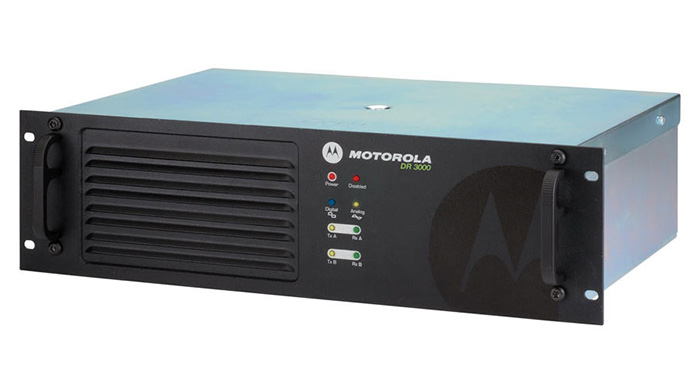
- Motorola DR3000 - a separate node for the communication project
The list shows the purchase options, not the ready-made scheme for connecting these three devices. A set of antennas, power supply and connections are agreed separately.
Request quotation: Request a quote, +7 (3812) 49-00-02Please email us. Specify the city and address of receipt, the required number and configuration; availability, configuration and deadline are agreed in the response.