Handheld two-way radio batteries: why you sit down for lunch and what to do about it
Where does the stated work time come from?
The operating time is indicated for a certain mode: a short fraction of the time for transfer, a little for reception, the rest is on duty. The real shift on security or construction looks different, and the numbers diverge.
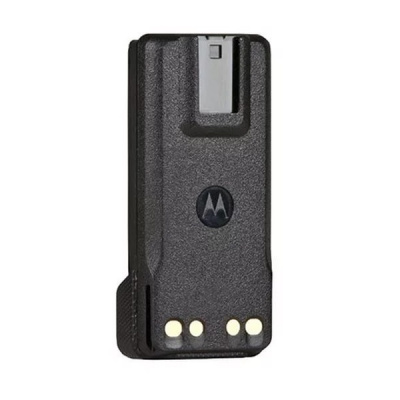
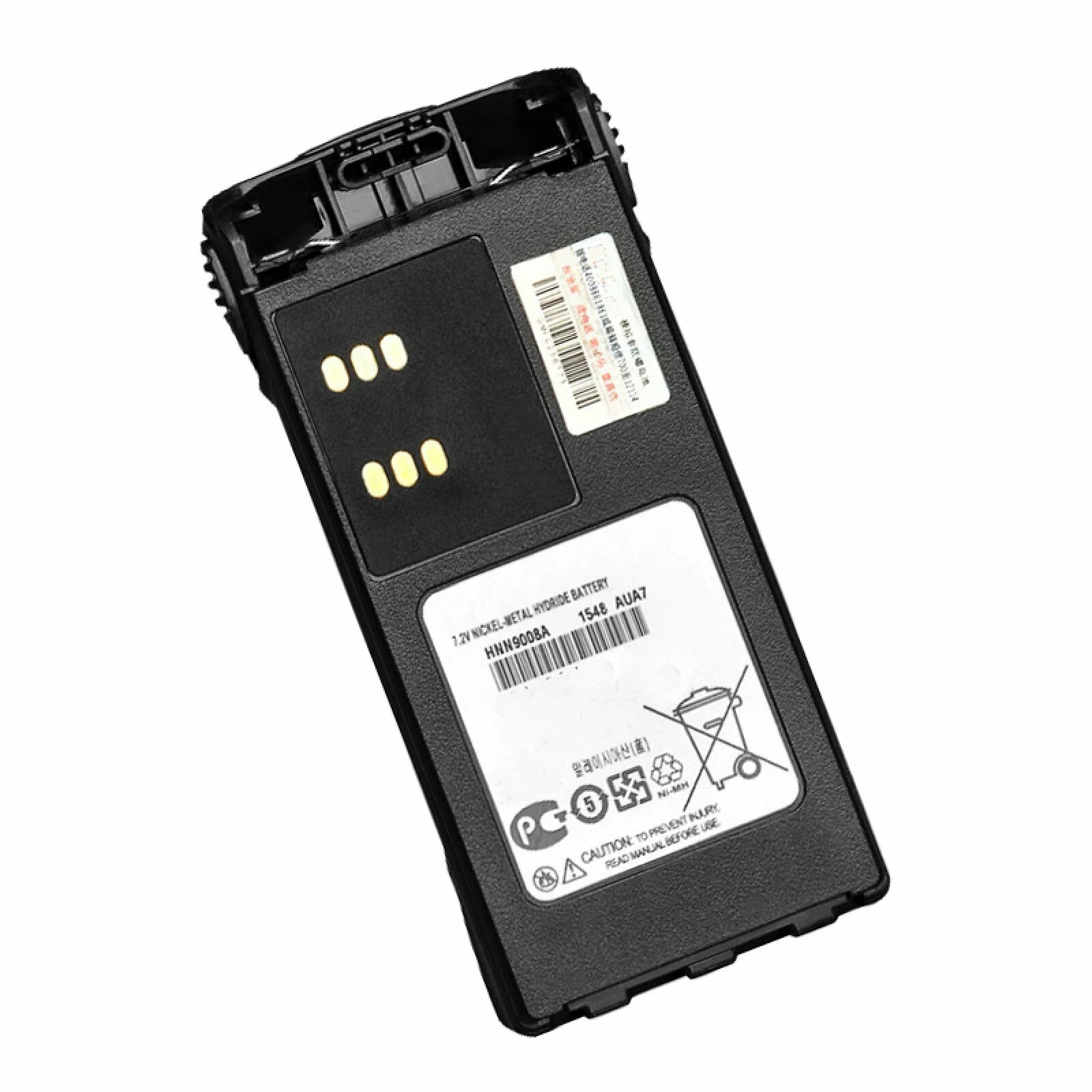
Most of the energy is spent on transmission. A person who holds a hand microphone for half a minute discharges the station at times faster than a colleague who talks for three seconds.
The second consumer is lighting and volume. The station, turned to the maximum in a noisy shop, lives much less.
The third is cold. In the cold, the recoil falls, and the station, which worked a shift in the summer, sits down in the middle of the day in winter. This is a chemical property, not a sign of malfunction.
What happens to the battery over time
Capacity decreases with the number of charge cycles. This is a gradual process, and it is not immediately noticeable: first the station lands a little earlier, then noticeably earlier, then suddenly in the middle of a shift.
The battery that is always in the charger ages faster if the device does not go into support mode. The old simple chargers sin this.
Deep discharge is bad. The station, which is regularly turned off after it itself is disconnected in the discharge, loses capacity faster.
Storage matters too: A battery that lies idle for months is kept partially charged and cool, rather than completely discharged in a warehouse.
What is the difference between chargers
A simple charger delivers current and determines the end of the charge roughly. Cheap and works, but the battery lives less.
The control device monitors voltage and temperature, reduces current to the end of the charge and goes into support mode. The difference in battery life is notable.
The fast charger reduces the time to an hour or two, but heats the battery stronger. For a park where stations charge at night, there is little point.
Group charging for several seats is convenient for the brigade: all stations on one shelf, nothing is lost, you can see that it is charged.
The car charger solves a separate task - to recharge the station in the car between exits.
How to count the set for the brigade
A simple rule: for every station operating a full shift, you need a second battery. Not "desirable", but necessary - otherwise the shift ends without communication.
Charging places should be enough for all batteries at the same time, otherwise in the morning part will be uncharged.
Another spare set is kept separately, to replace the failing ones. Batteries don’t die all at once, but they don’t die one a year.
Marking is mandatory. The batteries look the same, and without a label, it’s impossible to know which one is the same age as the station and which one was bought last month.
When is the battery time to change?
The first sign is that the station stopped holding a shift at the same load. It’s not a passport, it’s a year ago.
The second sign is that the charge indicator drops in a jump. The charged station shows a full level, and after an hour immediately low.
The third sign is that the battery warms when charged stronger than usual or has changed shape. A bloated body is an excuse to remove it immediately.
The fourth sign is that the station turns off in gear, although the indicator shows charge. It's a drawdown under load, and it means the end.
Checks all this is simple: fully charge, turn on and record the time before disconnection during normal operation. The result is recorded and compared every six months.
What else prolongs the life of the park
Cover. A station that does not fall does not break the battery contacts and does not crack the body.
Clean contacts. The oxidized contact gives an undercharge that looks like a dying battery.
Training. Short presses instead of long monologues save more charge than any replacement equipment.
Accounting. The issue log with station and battery numbers turns the park from a common property into someone’s responsibility, and the losses are immediately reduced.
Order a battery for an accurate two-way radio model
Send the full two-way radio model, the battery code with the labeling and the charging base model. These data allow you to agree on the subject of the order and avoid replacing the battery with a similar case. The quotation fixes the full configuration, scope of supply, availability and term.
Each battery is selected to its platform and charging base according to documentation. Station GP340 The list helps to check the order separately for GP-Platforms; compatibility PMNN4412 or PMNN4415AR with GP340 It doesn't show up here.
Request quotation: Request a quote, +7 (3812) 49-00-02Please email us. Specify the city and address of receipt, the required number and configuration; availability, configuration and deadline are agreed in the response.